What's the difference between a slab foundation and a crawl space foundation?
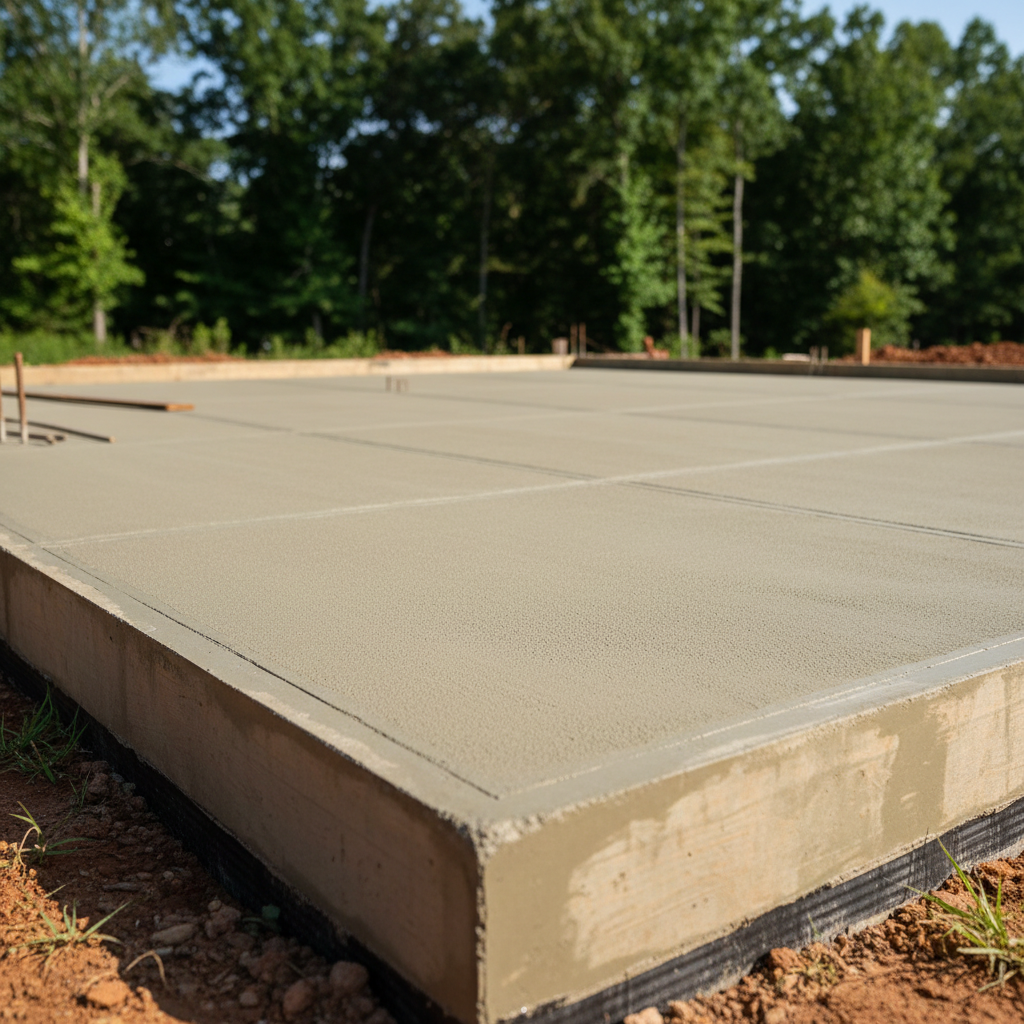
Alright, let's clear this up right away because it's a big deal. Most homes here in Decatur are built on one of two main types of concrete foundations: a slab or a crawl space. A slab foundation is exactly what it sounds like, really: a thick, flat piece of concrete poured straight onto the ground. Your house just sits right on top of it; there's no space underneath. It's usually cheaper to build, and you won't have to worry about critters setting up shop under your home. But, if you ever have plumbing problems under that slab, fixing them can be a real headache because you're digging through solid concrete. A crawl space foundation, on the other hand, means your home is lifted a few feet off the ground. It's held up by concrete piers or block walls, with a concrete footing below them. This creates a shallow, unfinished area you can actually crawl into. It's great for getting to plumbing, electrical, and HVAC systems for repairs or upgrades, no doubt about it. The downside? It can get moisture problems if it's not ventilated properly, and it costs a bit more to put in initially. Both are solid choices, but they each have their own quirks.
I've got cracks in my foundation. Is my house falling apart?
Whoa, hold on a second. Cracks in concrete foundations are super common, and most of the time, they don't mean your house is about to collapse. Concrete shrinks as it dries, and that shrinkage often causes hairline cracks. We call these 'shrinkage cracks,' and they're usually just on the surface, not structural. You'll often see them in a random pattern, maybe a quarter-inch wide at most. Now, if you're seeing wider cracks—say, a quarter-inch or more—especially ones that run horizontally, zig-zag, or shoot diagonally from window or door corners, that's when you need to pay closer attention. These could point to settlement, expansive soil issues (something we deal with a lot around here with our clay-rich soils, believe me), or other structural problems. My advice? Don't panic, but don't ignore it either. Get a professional to take a look. We can tell pretty quickly if it's just cosmetic or something more serious that needs Midway Concrete Solutions to step in.
How important is proper drainage around my foundation?
This is probably one of the most critical things you can do to protect your foundation, and honestly, people often overlook it. Water is the enemy of a foundation. If water collects around your foundation, it soaks the soil underneath. When our Decatur summers hit, that soil dries out and shrinks. Then, when the heavy rains come, it expands again. This constant shrinking and swelling puts immense pressure on your foundation, leading to cracks, settlement, and even bowing walls. Proper drainage means making sure your gutters are clean and extend far enough from the house. It also means the ground around your foundation slopes away from it by at least six inches over the first ten feet. If water is pooling near your house, you've got a problem that needed fixing yesterday. It's always cheaper to manage water than to repair a damaged foundation.
Can I 'fix' foundation problems myself?
Look, I'm all for DIY projects when they make sense. Painting a room, fixing a leaky faucet—go for it. But when it comes to your foundation, which is literally the bedrock of your home, this isn't the place to experiment. Foundation repair needs specialized knowledge, specific equipment, and real experience. You're dealing with immense weight and complex soil dynamics. Trying to patch a structural crack with some caulk or trying to lift a settling corner with a car jack isn't just ineffective; it can be dangerous and make the problem worse, costing you a lot more in the long run. If you suspect a foundation issue, call a pro. We'll give you an honest assessment and a solid plan.
What are some signs of foundation settlement?
Beyond those serious cracks we talked about, there are other clear signs that your foundation might be settling or shifting. You might notice doors and windows sticking or not closing properly—sometimes they'll even have gaps at the top or bottom. Floors might feel uneven or sloped. You could see cracks in your interior drywall or plaster, especially around door and window frames, or where walls meet ceilings. Sometimes, wallpaper can tear or buckle. Outside, you might spot gaps between brickwork or around chimney bases. If you're seeing a combination of these things, it's definitely time to get an expert opinion. Don't let it go too long; small problems tend to become big, expensive ones.
How long do concrete foundations typically last?
A well-built concrete foundation, properly maintained and with good drainage, can easily last the lifetime of your home—75 to 100 years, sometimes even longer. Concrete is incredibly durable, after all. The biggest things that shorten its lifespan are poor construction practices, inadequate drainage leading to water damage, and significant soil movement. That's why I always stress how important good site prep and drainage are. If you take care of the ground around your house and address any minor issues early, your foundation will likely outlast you.
What's involved in a foundation inspection?
When we come out for a foundation inspection, we're not just glancing at a few cracks. We do a thorough walk-around, both inside and outside your home. We'll check the exterior for cracks, bowing walls, and proper drainage. We'll also look at your gutters and downspouts. Inside, we'll examine floors for levelness, look for interior wall cracks, sticking doors and windows, and check for any signs of moisture. If you have a crawl space, we'll get in there to check for moisture, mold, damaged piers, and any signs of movement. For slab foundations, we'll be looking for signs of slab heave or settlement. We use specialized tools to measure floor levels and wall plumbness. The goal is to figure out what's causing any issues, not just the symptoms, so we can recommend the right, lasting solution. It's a detailed process, but it's crucial for understanding the health of your home's base.