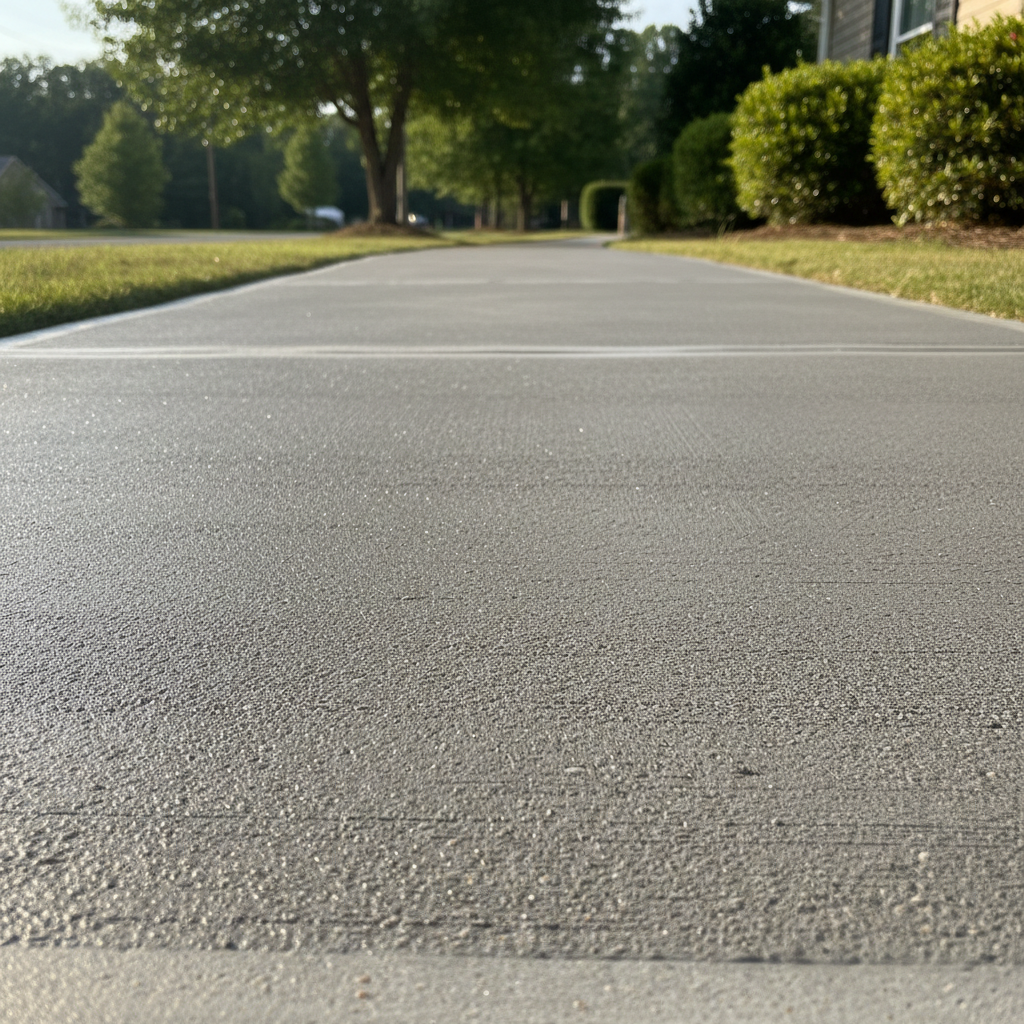
Your concrete sidewalks really take a beating, don't they? Between the summer heat, winter freezes, and just plain old foot traffic, it's no wonder folks around Decatur have a lot of questions about keeping them in good shape. I get asked these things all the time, so I figured I'd lay out some straight answers for you.
What's the deal with all these cracks in my sidewalk?
Cracks are probably the most common thing I get calls about. Look, concrete cracks. It's not a question of if, but when and how much. A lot of it comes down to the ground underneath. Here in Decatur, we've got some pretty active clay soils in places, especially around neighborhoods like Indian Hills. When that clay gets wet, it swells; when it dries out, it shrinks. That movement puts stress on your concrete, and eventually, it's gonna give. Tree roots are another big culprit – they'll lift and push sections around. Then there's just plain old wear and tear, heavy loads, and sometimes, if I'm being honest, it's just how it was poured initially. Small hairline cracks? Usually not a huge deal. Big, wide, or uneven cracks? That's when you need to pay closer attention.
Do I really need to fix every little crack?
No, you don't. Like I just said, some cracks are just cosmetic. But here's where it gets important: if a crack is wide enough for water to get into easily, or if it's causing an uneven surface, you should absolutely address it. Water getting under your slab is the enemy. It'll erode the base material, cause more movement, and turn a small problem into a big one. Plus, if someone trips on an uneven section, that's a whole other headache you don't want. So, no, not every crack, but definitely the ones that are growing, letting water in, or creating a trip hazard.
How long should a concrete sidewalk last around here?
A properly installed concrete sidewalk, done right with good materials and a solid base, should last you 20-30 years, easy. I've seen some go longer. The key is that 'properly installed' part. If it's poured too thin, or on an unprepared base, or if the mix wasn't right, you're going to see problems a lot sooner. Maintenance plays a role too – keeping water away, sealing it occasionally, that all helps extend its life. But generally, if you're getting less than 20 years, something probably wasn't quite right from the start.
Can you just patch a section, or do I need a whole new sidewalk?
It depends on the damage. If it's just a small, isolated section that's cracked or spalled (flaked off), sometimes a patch or a partial replacement can work. But you've got to be realistic. If the problem is widespread, like multiple sections are sinking, lifting, or severely cracked, then patching is just putting a band-aid on a broken leg. You'll spend money on patches only to have new problems pop up right next to them. For widespread issues, a full replacement of the affected sections is usually the more cost-effective and long-lasting solution. We'll always give you an honest assessment at Midway Concrete Solutions about what makes the most sense for your situation.
What's the deal with concrete sealing? Is it worth it?
Absolutely, it's worth it. Think of it like sunscreen for your concrete. A good quality concrete sealer helps protect your sidewalk from water penetration, oil stains, and the freeze-thaw cycles we get here in North Alabama. It makes it easier to clean and helps prevent surface spalling. I recommend sealing new concrete within the first year, and then every 2-5 years after that, depending on the sealer type and how much traffic it gets. It's a relatively small investment that can significantly extend the life and look of your sidewalk.
My sidewalk is sinking in one spot. What causes that?
Sinking sections usually signal that the ground underneath has eroded or settled. This often happens because of poor drainage – water gets under the slab, washes away the soil, and creates a void. Then, with weight or just over time, the concrete drops into that void. Tree roots dying and decaying can also leave voids. Sometimes, if the original base wasn't compacted properly, it'll settle over time. We can often fix sinking sections with concrete lifting, or 'mudjacking' as some folks call it, where we pump a material under the slab to raise it back up. It's a lot less invasive and usually cheaper than tearing out and replacing the whole section, as long as the concrete itself is still in good shape.
How do I pick a good concrete contractor in Decatur?
That's a great question, and it's not always easy. Here's what I'd tell you to look for: First, make sure they're licensed and insured. Don't even consider anyone who isn't. Ask for references and actually call them. Look at their past work if you can. A good contractor will explain the process, not just give you a number. They'll talk about base preparation, concrete mix, and proper curing. They should be local and know the specific challenges we face here in Decatur, like our soil types or typical weather patterns. And get a written estimate that clearly spells out everything. Don't just go for the cheapest bid; sometimes, that's the most expensive mistake you can make down the road. You want someone who stands behind their work, like we do at Midway Concrete Solutions.